Ready to help treat your pet to a healthy life?
Holiday Season Pet Stress: What You Need to Know
By : Nikki Edwards | Updated Dec 23, 2025
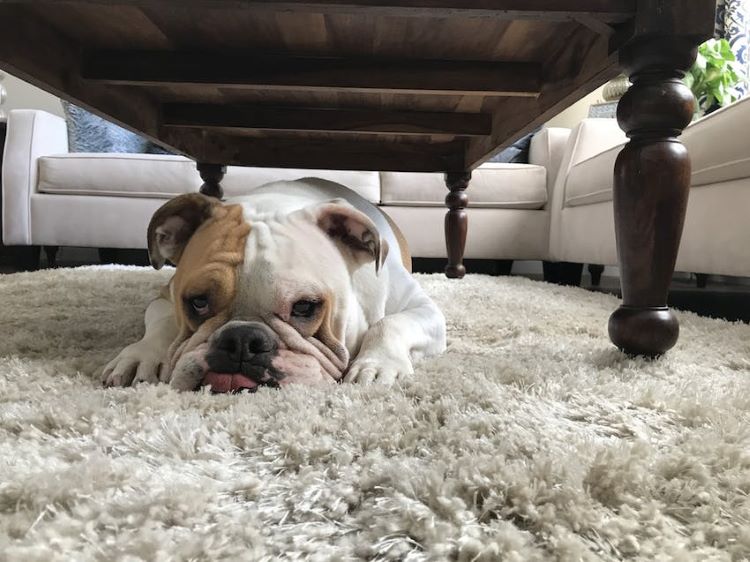
The holiday season is a time of joy and celebration, but it can also be a source of stress for our pets. With changes in routine, new visitors, and unfamiliar sights and sounds, it’s important to recognize how the holidays can affect your furry family members and what you can do to help them feel safe and comfortable.
Why do pets get stressed during the holidays?
According to Trupanion veterinarian Dr. Sarah Nold, any change to a pet’s usual routine can cause anxiety. Depending on your pet’s personality, they may even be more susceptible to the changes that come with holiday travel and gatherings.
“Some pets are more sensitive to changes in their environment, and the holidays can bring a lot of changes,” says Dr. Nold. “This can include new people, different smells, and even changes in their daily schedule."
How can you tell if your pet is stressed?
Your pet’s body language is a huge clue as to how they’re feeling. Signs of anxiety in dogs include trembling, pacing, panting, hiding, whining, destroying things, or running away. Cats may hide, become withdrawn, or show changes in appetite or litter box habits.
“By learning the difference between their behavior when they’re comfortable and when they’re scared, you’ll be able to figure out triggers for their anxiety and when they might need some space or help calming down,” says Dr. Nold.
How to help your pet feel safe during the holidays
If you’re hosting a holiday gathering, Dr. Nold recommends setting up a quiet room or area where your pet can retreat from the noise and activity. Make sure they have their bed, favorite toys, and access to water. Check in on them every 30-60 minutes to see how they’re doing and offer treats or playtime if they’re calm enough to eat or play.
If your pet is especially anxious, talk to your veterinarian about options for calming aids or medications. There are also pheromone diffusers and sprays that can help some pets feel more relaxed.

Tips for keeping your pet calm during the holidays
- Stick to routines: Try to keep feeding, walking, and playtimes as consistent as possible.
- Provide enrichment: Offer toys, long-lasting chews, or puzzle feeders to keep them occupied.
- Give them space: Allow your pet to retreat to a quiet area if they need a break from the festivities.
- Monitor interactions: Supervise children and guests around your pet, and don’t force interactions if your pet seems uncomfortable.
- Stay calm yourself: Pets can pick up on your emotions, so try to remain relaxed and positive.
What about holiday travel?
If you’re traveling with your pet, bring familiar items like their bed, toys, and food to help them feel more at home. Keep their routine as normal as possible and give them plenty of opportunities for exercise and bathroom breaks.
If your pet is staying at a boarding facility or with a pet sitter, provide detailed instructions about their routine, preferences, and any medications they need. Check in regularly to see how they’re doing.
What are the most common holiday stress triggers for pets?
- Unexpected guests and crowds: New people and increased activity can make pets anxious.
- Loud noises: Music, parties, and fireworks can be startling.
- Changes in routine: Altered feeding, walking, or play schedules disrupt your pet’s sense of security.
- Decorations and unfamiliar objects: Holiday décor, candles, and rearranged furniture can be unsettling.
- Travel: Being left at a boarding facility or traveling to a new place can be stressful.
How can I tell if my pet is stressed during the holidays?
Look for these signs of stress:
- Dogs: Trembling, pacing, panting, hiding, whining, destructive behavior, or trying to escape.
- Cats: Hiding, withdrawal, changes in appetite, or litter box issues.
- General: Excessive grooming, vocalizing, or changes in body language (tail tucked, ears back, dilated pupils).
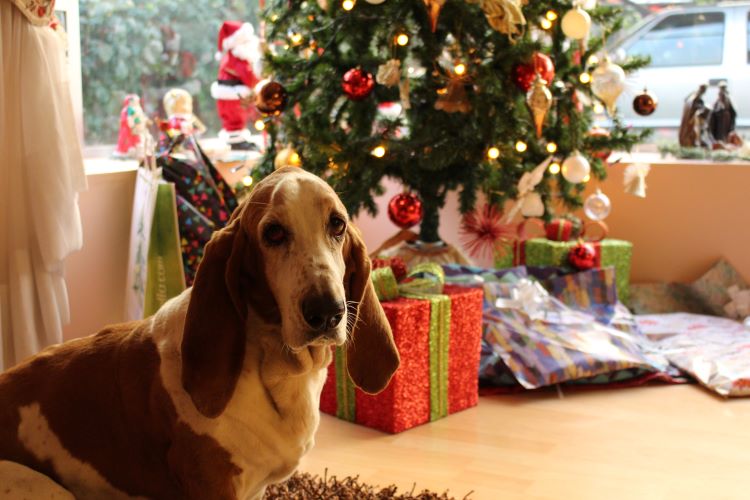
What can I do to calm my dog or cat during holiday gatherings?
- Create a safe space: Set up a quiet room with their bed, toys, and water.
- Maintain routines: Keep feeding, walking, and playtimes as consistent as possible.
- Provide enrichment: Use toys, puzzle feeders, or long-lasting chews.
- Check in regularly: Visit your pet every 30-60 minutes to reassure them.
- Use calming aids: Consider pheromone diffusers, calming treats, or consult your veterinarian about medications if needed.
- Stay calm yourself: Pets can sense your emotions, so try to remain relaxed and positive.
How long does it take for pets to recover from holiday stress?
Recovery time varies by pet and situation. Some pets may relax within a few hours once things return to normal, while others may take a few days to settle back into their routine. If your pet continues to show signs of anxiety or behavioral changes after the holidays, consult your veterinarian for additional support.
The holidays can be a stressful time for pets, but with a little planning and attention, you can help them feel safe and comfortable. Pay attention to their body language, provide a quiet space, and stick to routines as much as possible.
Pet Parenting is the official dog and cat blog of Trupanion, a leader in the world of pet insurance. Here you’ll find useful dog and cat care tips, important veterinary insights, and an abundance of pet lifestyle topics. All of our articles are written by real humans with a love for pets, not AI. However, please note that the views expressed here are those of the individual authors and do not necessarily reflect those of Trupanion. Articles are reviewed by veterinarians for accuracy, but they are not a substitute for professional diagnosis and treatment. Always consult with your own pet’s veterinarian for advice.