Ready to help treat your pet to a healthy life?
Moving With Pets - Tips for Keeping Them Comfortable and Calm
By : Kathleen Crampton | Published Apr 9, 2026

As anyone who has moved homes knows, the process can be equal parts exciting and stressful. Amid what can be a chaotic time, it's important to keep yourself grounded and provide a calm environment for your pets. While moving with pets might not sound easy, it is possible for all of you to come through the experience unscathed and with limited stress.
Here's your pet moving checklist to help you provide a comfortable transition for you and your pet. The list is organized by time frame: preparation (2+ weeks before moving day), packing week (1 week before moving day), moving day, and settling in after move-in.
Prepare-in-advance checklist (2+ weeks out)
At least two weeks before move-out day, make the following preparations:
- Make an appointment with your vet. This is the time to get any necessary medication refills and ask your vet about medications or supplements for anxiety or nausea (pets can get motion sickness, too, if they're not frequent travelers). You should also request health records for your dog or cat to present to a new vet or to present to an airline carrier if you have to fly to your new home.
- For international moves, visit a USDA-accredited vet. Moving to a new country requires pet health certificates endorsed by the USDA. Vets who are accredited by the federal agency can help you with this process. You should also look up the specific country's requirements. Getting health records and other necessary items may take weeks to months, so start the process as soon as you decide to move.
- Research new veterinarians. If you're moving far away from your current home, you'll likely need a new vet. Research well-reviewed vets in your new town, as well as 24-hour emergency animal hospitals, and save them to your contacts list. These can come in handy if your pet needs professional attention when you arrive at your new spot.
- Check local pet rules for your new house and area. Some cities may have specific off-leash rules, certain states have strict vehicle pet restraint laws, and multifamily dwellings likely have homeowners' associations with pet policies. Research all of these ahead of time so that you're prepared when you arrive.
- Train your pet to use their crate/carrier. You'll likely want to use a crate or carrier for your pet as you pack up the house and especially on moving day, regardless of if you're driving or flying. It's important to get them used to their crate/carrier, so start introducing it to them early. Have your pet stay in it for short periods of time, giving them treats for positive reinforcement. Continue using it for longer periods of time, walking around with them in it, and traveling in the car.
- If flying, check pet carrier requirements. Different airlines have different pet policies and requirements, so be sure to check yours if you're flying with your dog or cat to a new city.
Packing week checklist (week before moving day)
There's lots to do in the week before moving with pets—just make sure to prioritize your pet's well-being with these simple steps:
- Dedicate one room for your pet. The sights, sounds, and smells of packing materials and moving commotion can be aggravating and nerve-racking for your pet. Create a calm environment for them by dedicating one room—or a space that can be closed off—where they can be alone in a comfortable environment. Keep their bedding, favorite toys, litter box, crate, and so on—all their creature comforts in the space.
- Keep routines consistent. Amidst the chaos of scheduling movers, culling your belongings, and packing items into countless boxes, don't forget about your pet's routine. Try to keep their schedule as much as possible: morning walks, meal times, afternoon walks, playtime, and so on.
- Pack supplies and build a "First Night Kit". Pack up your pet's belongings, but make sure to keep the necessities easy access in a "First Night Kit," such as medications, food, bedding, a blanket, their favorite toys, litter box, and even mentally stimulating scratch boards or puzzles.
- Ensure pet identification is up to date. Check your pet's microchip to ensure that your current phone number is on file and that their ID tag is up to date. (You'll want to immediately update addresses when you reach your new home.)
Moving day checklist
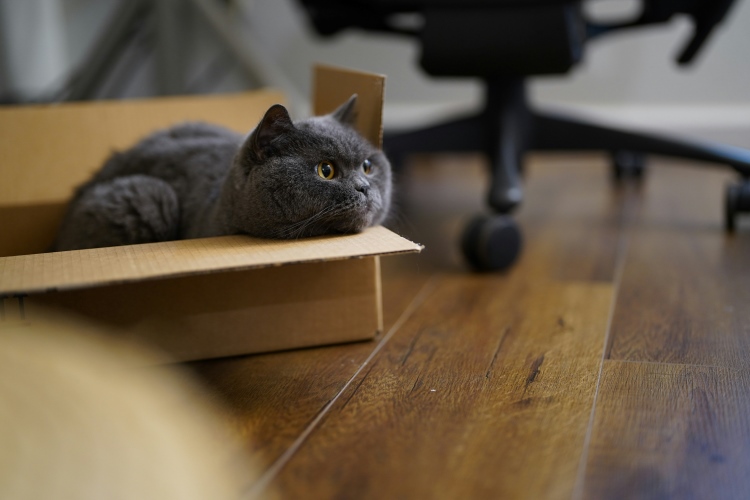
Moving day has arrived! Keep the day as stress-free as possible with these recommendations:
- Create a containment plan. If possible, send your pet to a familiar friend's house for the day, take them to a pet daycare facility, or, if these aren't options, keep your dog or cat safe and sound in a quiet room with their necessities, toys, and bedding. Visit them throughout the day and, of course, take them out for walks to get exercise and fresh air. To keep movers from accessing your pet's space, place a "do not open” sign on the door.
- Keep your pet safe during loading and unloading. When it's time to drive away, calmly put your cat into their carrier or keep your dog on a leash before you move from the house to the car. Hold the leash tightly as you enter and exit the car.
- Transport safely in a vehicle or on a flight. Secure your pet safely in the car, whether you're driving to your destination or simply getting a ride to the airport. Make sure you have enough water, treats, and food for the day. If you're moving with a cat, take a look at these tips for traveling with a cat, such as putting absorbent pee pads in their carrier and bringing extra to replace when needed.
- Update your pet's microchip information. Either on moving day or right when you arrive at your new home, update the address—and any other relevant information—on your pet's microchip.
Settling-in checklist (first week after move-in)
This checklist begins when you first arrive and continues through the first week or so after moving in. Getting your pet acclimated to their new environment is key, and these tips can help:
- Set up a safe, comfortable area for your pet. You may not be able to set up this space ahead of time, especially if you're moving out of town, but try to at least dedicate a safe area for your pet right when you arrive. Be sure to put everything they might need in that space, such as a scratch post, toys, bedding, food, water, and litter box. While they'll want to explore their new surroundings, having a comfortable and somewhat familiar area to return to will help them feel more at home.
- Keep routines consistent. Maintain your pet's routines so that they have something familiar to hold onto. Feed them at the same time, take frequent walks, play with them, and love on them throughout the day.
- Gradually expand your pet's living footprint. Once the house is in order, you can slowly begin to move your pet's belongings if their original space is needed for something else. For cats especially, this process should be gradual, moving a litter box only a couple of feet each day.
- Get a pet insurance policy if you don't have one already. Moving often signifies a new beginning, so this could be the perfect time to sign up for pet insurance if you haven't done so already. Trupanion offers dog and cat insurance that can help pay for covered injuries, illnesses, and more.
How moving affects pets

Dogs and cats are creatures of habit, with even the most adventurous pets preferring routine over chaos. That's why moving with a dog or cat can be challenging—because not only are you upending your own home life but your pet's, too. As you prepare to move, during moving day, and as you set up your new space, there are lots of new scents, noises, and sights that can upset even the calmest of animals.
Here are some common signs of stress and anxiety in dogs to watch for:
- Changes in body language, like a tucked tail, tense posture, or pacing
- Excessive barking or whining
- Destructive behavior, like chewing, digging, or scratching
- Changes in appetite or digestive issues
- Retreating behind furniture or to their crate or bed
- Aggressive behavior, like growling or resource guarding
Cats are even more habit- and home-oriented than many dogs, so moving may cause them extra stress. Here are some stress signs to look out for in a cat:
- Urinating or defecating outside of their litter box
- Destructive, aggressive, or clingy behavior
- Changes in appetite or digestive issues
- Vocalizing more often than usual
- Changes in grooming behavior
If your pet hasn't been eating or drinking water during the day, has severe digestive issues (like vomiting or diarrhea), and/or you can't seem to calm their behavior, pay a visit to your vet.
FAQs about moving with pets
How long does it take a dog/cat to adjust after moving?
Cats may have different adjustment timelines after moving. Cats generally take longer to settle in after a move, perhaps up to several weeks. During this time, it's essential to keep your cat indoors to allow them to get used to the space and consider it their new dominion.
Dogs typically don't take as long as cats to adjust after moving. They may become comfortable within a week or two. However, remember that every pet is unique, so help pets adjust to a new home by being patient, keeping routines consistent, and maintaining a safe, comfortable space.
Why won’t my pet eat after moving?
Stress can affect pets in different ways, one of them being not eating. If your pet has a decreased appetite or won't eat after moving, it could be due to the stress and anxiety of the move. It's important to talk with your vet about solutions to ensure that your pet gets adequate nutrition.
How do I prevent my cat from escaping?
There are a few ways to prevent your cat from escaping during a move. You can keep them in a room with the door shut while the movers come in and out of the house, or you can board them for the day or send them to a familiar friend's house. When it's time to leave, put your cat in a comfy carrier and keep them there until you arrive at the new house.
What if my dog starts having accidents?
If your dog starts having accidents after moving, don't punish them, as negative reinforcement can exacerbate the issue. Clean the area well, then watch for signs that they might relieve themselves in the house. If they look like they're about to pee in the house, interrupt them, then take them to a bathroom spot outside, praising them for doing the deed in the proper place.
Dogs might have accidents if they feel stressed in an unfamiliar environment. It's important to keep their bathroom and feeding routines consistent and praise them (even with treats at first) when they go in the right spot.
Should I use calming treats or meds?
Calming treats and meds can be useful for some pets, but be sure to speak with your veterinarian before giving your dog or cat anything new. Your vet understands your pet's temperament and health condition and can give you a professional recommendation for the right products.
Pet Parenting is the official dog and cat blog of Trupanion, a leader in the world of pet insurance. Here you’ll find useful dog and cat care tips, important veterinary insights, and an abundance of pet lifestyle topics. All of our articles are written by real humans with a love for pets, not AI. However, please note that the views expressed here are those of the individual authors and do not necessarily reflect those of Trupanion. Articles are reviewed by veterinarians for accuracy, but they are not a substitute for professional diagnosis and treatment. Always consult with your own pet’s veterinarian for advice.