Ready to help treat your pet to a healthy life?
Is it Okay to Dye Your Pet’s Fur? What Dog & Cat Parents Need to Know
By : Brianna Gunter | Updated Oct 26, 2023
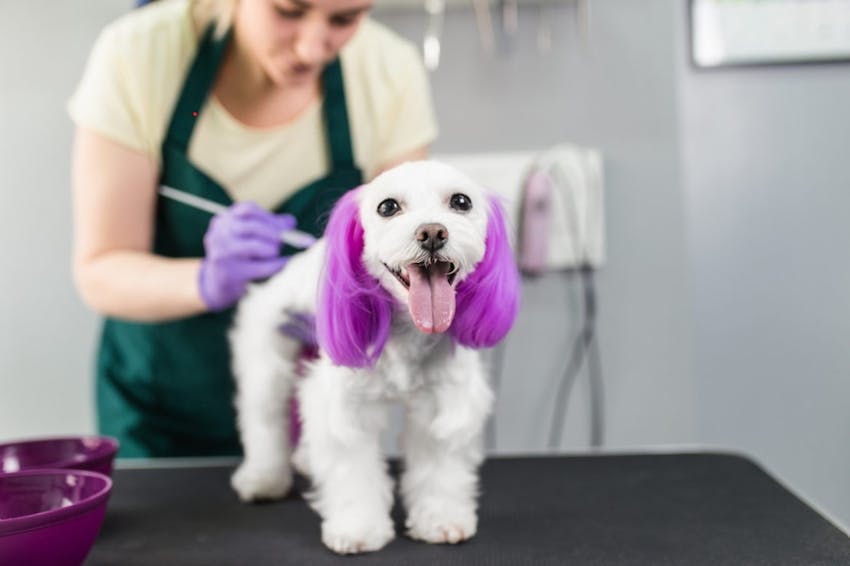
It’s not exactly uncommon to spot a dog with orange ears or even leopard spots dyed into their back. Perhaps you’ve even seen a cat with tail the colors of the rainbow. People are more invested in their dogs and cats than ever, and for many pet parents, fur dyeing is another form of showing off one's pal to the world, especially around holidays like Halloween. Dog dyeing is particularly popular on social media platforms like TikTok and Instagram, with some users even advising it as a pet theft deterrent.
But cute photos aside, is fur dye actually safe for pets? Before you reach for the hair color to create your own real-life pink panther, you need to make sure you’re taking the proper precautions and doing what's best for your pal.
Is it safe to dye your pet?
As popular as videos and photos of brightly dyed dogs and cats are, they are often fodder for heated public debate. Depending on where curious pet owners seek out information, cat and dog fur dye may be completely safe or a cruel and unnecessary action that could lead to veterinary emergencies.
As with all situations that are a matter of pet health, it's important to rely on facts and veterinary expertise rather than public opinion. From this standpoint, the short answer is yes, it is possible to safely dye your pet’s fur. But there are some real risks to be mindful of.
Pet fur dye risks
One of the biggest safety concerns with dyeing pet fur is that many pet owners go into it thinking that it will be the same process as dyeing human hair. However, human hair dye should never be used on pet fur. It also should go without saying that animals are not likely to be as tolerant of the dyeing process, particularly if things become uncomfortable.
“Just like with people, risk exists for contact sensitivity, irritation, or burns to the skin even with those dyes deemed safe,” explains Trupanion veterinarian Dr. Caroline Wilde. “If the dye is in contact with the skin, it can also be absorbed systemically, so it is very important to critically examine the ingredients of any fur dye.”
Dyeing cats vs. dogs
Cats can be even riskier to dye than dogs, even when safety precautions are in place. This is because they self-groom regularly and can easily ingest the coloring. In one exceptionally tragic 2015 incident, a kitten died from toxic ingestion after licking its fur that had been colored hot pink. However, it is unclear what kind of dye was used.
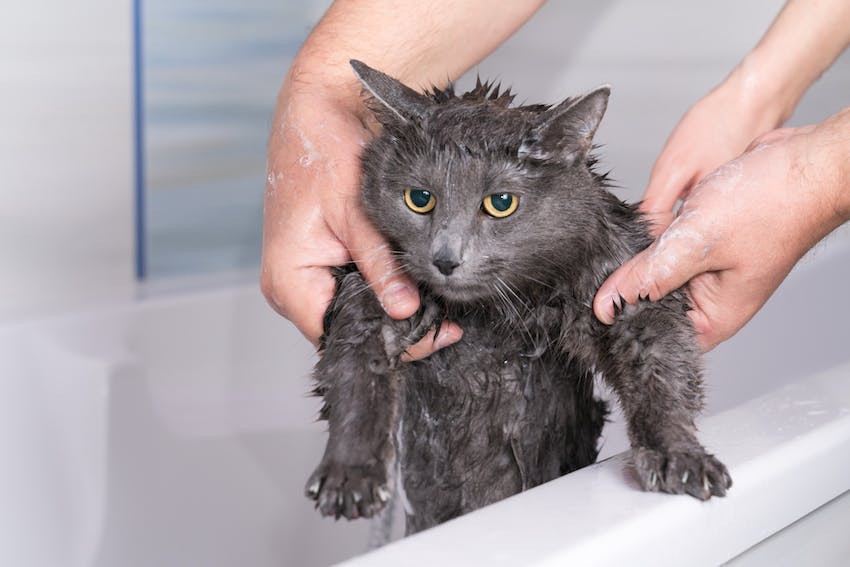
It's also worth noting that cats may be more easily stressed by the dyeing process. While there are always exceptions, cats in general have an instinctive fear of water and getting wet. This can make bathing for traumatic for them, especially for cats who have not been exposed to it regularly from an early age. Both the wet feeling of fur dye and the subsequent rinsing involved can place cats in unnecessarily stressful and anxiety-prompting situations.
How can I dye my pet’s fur safely?
Though Wilde generally recommends against dyeing pet fur, she suggests sticking to natural ingredients. However, this does not negate the importance of getting professional approval before proceeding.
“If a pet owner chooses to dye their pet’s fur themselves, I would advise taking the dye to their veterinarian so that they can look at the ingredients of that specific dye and advise as to its safety,” she says. “I would not trust a label on its own as regulating these labels is difficult, and statements regarding safety aren’t always accurate.”
Pet dyeing safety tips
- Never use human hair dye on your pet’s fur.
- Look for dyes that are specifically marked as pet-safe and contain botanically-based, recognizable ingredients.
- Buy dyes only from a pet store or certified pet groomer.
- Check out the dye brand’s website for studies backing up their claims.
- Depending on the country you live in, look for a dye that has attained additional approval through national trials (FDA approval in the United States, for example).
- Read reviews from your fellow pet parents.
- Always do a spot test first before dyeing a larger area on your pet.
- Limit the area you dye to spots where your pet can’t easily lick.
- Don’t leave dye on longer than the directions say, regardless of how the color looks.
- Monitor your pet at all times while the dye is setting, and prevent them from licking it.
- If your pet shows any sign of illness or allergic reaction during or while being dyed, stop the process immediately, rinse out their fur, and contact your veterinarian.
- If you have multiple pets, don’t assume that the same dye will work for each.
“Lots of topical substances that are safe for dogs are toxic for cats, so again it would depend on specific ingredients,” Wilde says. “For example, flea and tick preventative labelled safe for dogs can be extremely toxic to cats.”
Consider a professional pet dye job
It’s common knowledge that professional salons provide a safer environment (and higher satisfaction rates) for human hair dye jobs than the boxed stuff in a bathroom at home. So, why subject your pet to unskilled hands for their own new look?
“If one decides to dye their pet’s fur, I would consider having it done professionally, asking the groomer specifically if the dye is safe for dogs or cats,” says Wilde.
At the end of the day, of course, there are plenty of other ways you can “personalize” your four-legged friend, from sparkly colors and colorful harnesses to even pet manicures.
To make sure you never miss out on useful pet advice for you and your pal, subscribe to our newsletter!
Pet Parenting is the official dog and cat blog of Trupanion, a leader in the world of pet insurance. Here you’ll find useful dog and cat care tips, important veterinary insights, and an abundance of pet lifestyle topics. All of our articles are written by real humans with a love for pets, not AI. However, please note that the views expressed here are those of the individual authors and do not necessarily reflect those of Trupanion. Articles are reviewed by veterinarians for accuracy, but they are not a substitute for professional diagnosis and treatment. Always consult with your own pet’s veterinarian for advice.